
The Rise of Car Manufacturing in the Sunbelt States: A Shift Towards Innovation and Growth
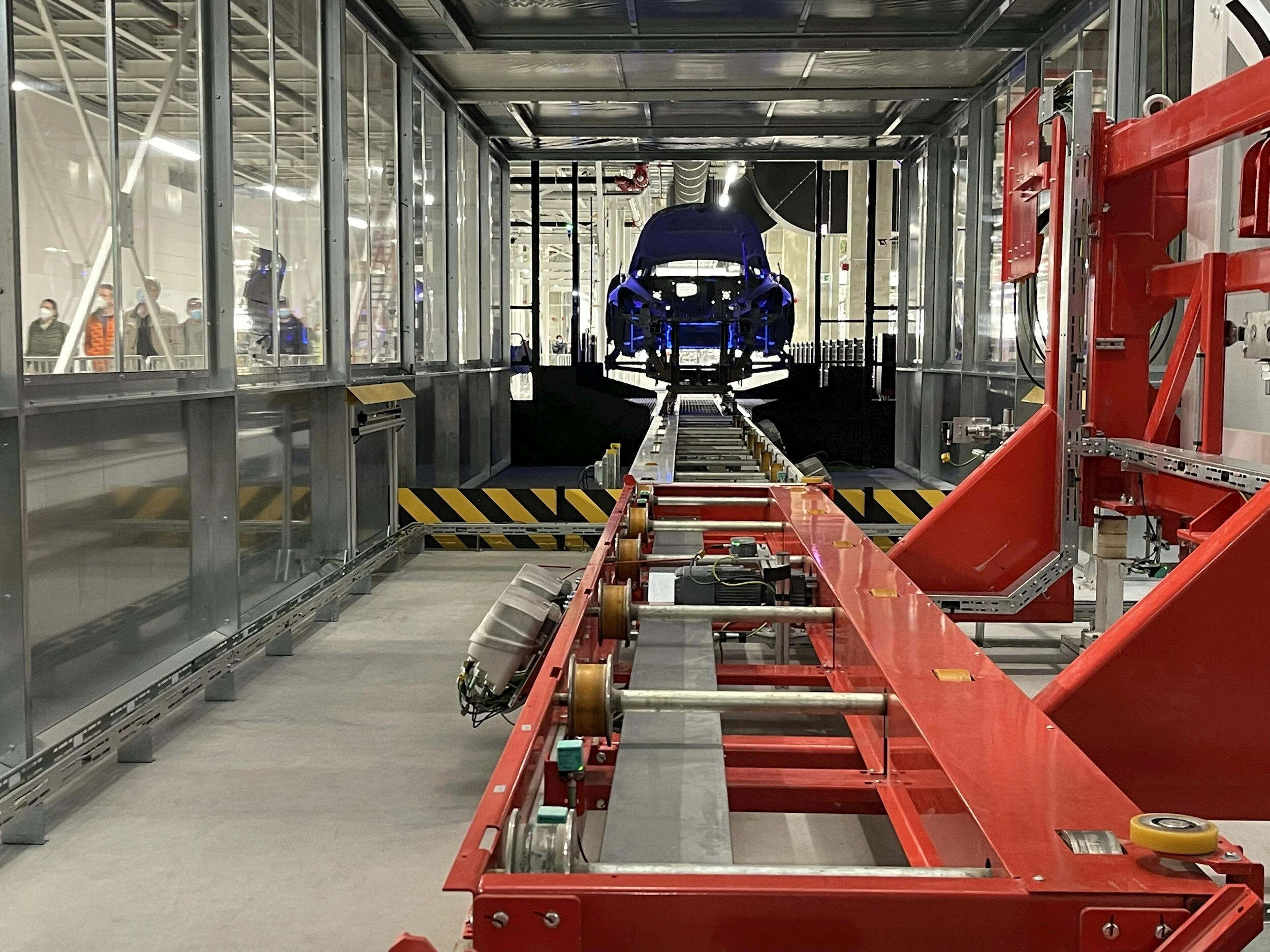
In recent years, there has been a noticeable trend in the automotive industry: a significant migration of manufacturing plants from traditional hubs to the Sunbelt states of the United States. This shift marks a pivotal moment in the landscape of car production, driven by a combination of factors including favorable business environments, access to skilled labor, and strategic geographical positioning.
Historically, automotive manufacturing has been concentrated in the Midwest, particularly in states like Michigan, Ohio, and Indiana. However, the Sunbelt states, which encompass the southern region of the U.S. stretching from the Carolinas to California, are now emerging as attractive destinations for automakers seeking new opportunities and efficiencies.
One of the primary reasons for this migration is the business-friendly environment offered by many Sunbelt states. These states often have lower tax burdens, less stringent regulations, and various incentives designed to attract investment and stimulate economic growth. For car manufacturers, these factors translate into substantial cost savings and increased profitability, making it an appealing proposition to establish or relocate their operations to the Sunbelt.
Furthermore, the Sunbelt states boast a robust infrastructure and logistical network, providing efficient transportation routes for both raw materials and finished vehicles. With access to major highways, railways, and ports, manufacturers can streamline their supply chain and distribution processes, reducing lead times and improving overall efficiency.
Another key advantage of the Sunbelt states is the availability of a skilled workforce. As manufacturing technology continues to evolve, the demand for workers with specialized skills in robotics, automation, and advanced engineering has increased. Many Sunbelt states have invested heavily in education and workforce development programs to meet this demand, ensuring a steady supply of talent for the automotive industry.
Additionally, the Sunbelt states offer favorable climate conditions that can benefit certain aspects of car manufacturing. With milder winters and fewer weather-related disruptions, production schedules can be more predictable, leading to higher productivity and reduced downtime.
The strategic geographical positioning of the Sunbelt states also plays a significant role in the decision-making process for car manufacturers. Situated in close proximity to major markets in both the United States and Mexico, these states provide easy access to a large customer base while facilitating trade and collaboration within the North American automotive supply chain.
The shift of car manufacturing to the Sunbelt states represents more than just a change in location; it symbolizes a broader transformation within the automotive industry. As companies embrace innovation and adapt to evolving market dynamics, they are reshaping the traditional manufacturing landscape and paving the way for future growth and competitiveness.
However, it is essential to acknowledge that this transition is not without challenges. While the Sunbelt states offer numerous advantages, there are also concerns regarding environmental sustainability, infrastructure capacity, and workforce development. Addressing these challenges will require collaboration between government agencies, industry stakeholders, and local communities to ensure that growth is sustainable and inclusive.
In conclusion, the movement of car manufacturing to the Sunbelt states marks a significant milestone in the evolution of the automotive industry. By leveraging the region's favorable business environment, skilled workforce, and strategic advantages, companies can drive innovation, improve efficiency, and capitalize on new opportunities for growth. As the automotive landscape continues to evolve, the Sunbelt states are poised to play a central role in shaping the future of car manufacturing.
Pickle Ball Paradise: Transforming Shopping Centers into Sporting Havens

As society evolves and our leisure preferences shift, so too do the spaces we inhabit. In recent years, one particular sport has been gaining momentum across age groups and demographics: pickleball. Originating from humble beginnings, pickleball has emerged as a favorite pastime for many, blending elements of tennis, badminton, and table tennis into an addictive and accessible game. Now, envision a bold transformation where traditional shopping centers give way to the lively energy of pickleball courts. Let's explore this innovative concept and the potential it holds for revitalizing communities.
Adaptive Reuse: With the rise of e-commerce and changing consumer habits, many shopping centers are facing challenges in attracting foot traffic and sustaining business. Converting these spaces into pickleball courts presents a creative solution to repurpose underutilized real estate. By breathing new life into these areas, communities can reclaim valuable space and foster active lifestyles.
Accessible Recreation: One of the key appeals of pickleball is its inclusivity. Unlike some traditional sports, pickleball is easy to learn and can be enjoyed by people of all ages and skill levels. By repurposing shopping centers into pickleball courts, communities can provide accessible recreational opportunities for residents, promoting physical activity and social interaction.
Community Gathering Spaces: Shopping centers-turned-pickleball courts have the potential to become vibrant hubs of community life. Beyond just a place to play sports, these spaces could feature seating areas, picnic spots, and food vendors, encouraging people to linger, socialize, and build connections. From casual players to seasoned athletes, everyone can find a sense of belonging in these inclusive environments.
Multi-Purpose Facilities: The versatility of pickleball courts allows for diverse programming options. In addition to recreational play, these spaces could host tournaments, leagues, clinics, and social events, catering to a wide range of interests and preferences. By offering varied activities, shopping center-turned-pickleball courts can attract a diverse audience and become dynamic hubs of sports and entertainment.
Health and Wellness Benefits: Engaging in regular physical activity is essential for maintaining overall health and well-being. By repurposing shopping centers into pickleball courts, communities can promote active lifestyles and combat sedentary behaviors. The social aspect of pickleball further enhances its appeal, fostering connections and support networks that contribute to mental and emotional wellness.
Economic Revitalization: Converting shopping centers into pickleball courts has the potential to stimulate economic growth and revitalization. Beyond the direct revenue generated from court rentals and events, these spaces can attract visitors to surrounding businesses, such as restaurants, shops, and hotels. By creating a destination for sports enthusiasts and families alike, communities can invigorate local economies and create sustainable opportunities for growth.
In conclusion, the transformation of shopping centers into pickleball courts represents a visionary approach to repurposing urban spaces for the benefit of communities. By embracing this innovative concept, we can create inclusive, active, and vibrant environments that promote health, social connection, and economic vitality. The pickleball revolution is underway, and with it comes the promise of reimagined spaces where fun, fitness, and community thrive in harmony.
Securing Your Future: The Crucial Case for Tenant Improvement Funds in Escrow Amidst Evolving Real Estate Markets

In today's ever-evolving real estate landscape, commercial tenants are navigating uncertain waters. With loans for commercial buildings coming due and the unpredictability of the market, a strategic approach to safeguarding your lease is more critical than ever. One often-overlooked yet profoundly impactful tactic is advocating for tenant improvement funds to be held in escrow.
Commercial leases frequently involve tenant improvement (TI) allowances, which provide funds for modifying or customizing the space to suit a tenant's specific needs. However, recent market fluctuations and the impending maturity of commercial loans have heightened risks for both landlords and tenants. In such a climate, advocating for the placement of these funds into escrow emerges as a prudent move.
Understanding the Need for Escrow in Today's Market:
Loan Maturity and Property Ownership Change: As loans on commercial properties come due, landlords might face pressure from lenders or potential changes in property ownership. In such scenarios, the allocated TI funds might be at risk if not protected in escrow.
Market Volatility and Uncertainty: The unpredictability of the market can impact landlords' financial stability. Should a landlord face financial challenges or foreclosure, the promised TI funds could be jeopardized without proper protection.
Tenant Security in Lease Agreements: Tenants must secure the promised improvements outlined in the lease. Placing TI funds in escrow provides a safety net, ensuring the availability of funds for the agreed-upon enhancements, regardless of the landlord's financial situation.
The Benefits of Escrowing Tenant Improvement Funds:
Risk Mitigation for Tenants: By advocating for the placement of TI funds in escrow, tenants secure a level of protection against potential landlord default or financial distress.
Enhanced Lease Stability: Escrowed funds guarantee the availability of resources for necessary improvements, thereby fortifying the lease's stability and ensuring the fulfillment of agreed-upon terms.
Negotiating Power: Suggesting escrowed TI funds showcases a tenant's commitment to the longevity of the lease and provides leverage during negotiations, fostering a stronger partnership with the landlord.
Preserving Tenant-Landlord Relationships: This proactive approach to safeguarding funds doesn't signal distrust but rather demonstrates a mutual commitment to the lease's success, fostering trust and transparency between both parties.
Navigating the Process: How to Advocate for Escrowed TI Funds:
Early Discussion: Initiate conversations about escrowing TI funds during lease negotiations, emphasizing the desire to ensure the execution of agreed-upon improvements.
Legal Counsel Involvement: Seek legal advice to ensure the inclusion of specific language in the lease agreement that dictates the escrow arrangement for TI funds.
Collaborative Approach: Approach the landlord with a collaborative mindset, highlighting the mutual benefits of protecting both parties' interests through escrow.
Flexibility and Compromise: Be open to negotiation and compromise, recognizing that both parties aim for a secure and mutually beneficial lease agreement.
Conclusion: Seizing Control in an Uncertain Market
As the commercial real estate landscape faces unprecedented challenges, tenants must proactively protect their interests. Requesting the placement of tenant improvement funds into escrow stands as a forward-thinking strategy, securing lease commitments amidst market fluctuations and loan uncertainties. It's a proactive step towards fostering stability, ensuring the fulfillment of lease terms, and safeguarding the future for both tenants and landlords in today's dynamic real estate environment.
The 'New Normal': Why Companies Are Keeping a Small In-Office Presence for Recruiting New Talent and Professional Appearance

Introduction
In an era dominated by remote work and digital communication, the concept of maintaining a small in-office presence might sound counterintuitive to some. However, an increasing number of forward-thinking companies are recognizing the value of having a physical workspace, even in the age of remote work. This blog explores the intriguing reasons why companies are opting to retain a modest in-office presence, especially when it comes to recruiting new talent and maintaining a professional appearance.
Fostering Company Culture
While remote work has its advantages, it can sometimes dilute the sense of camaraderie and shared company culture that employees experience when working together in a physical space. Maintaining a small in-office presence allows companies to reinforce their values, mission, and culture, providing prospective hires with a tangible experience of what it's like to be part of the organization. This can be a powerful tool for attracting candidates who align with the company's ethos.
Enhancing the Recruiting Experience
When it comes to recruiting, first impressions matter. Having a well-designed, professional office space can significantly enhance the overall candidate experience. Job seekers are more likely to be impressed by a polished, welcoming office environment during interviews and onboarding. This can convey a sense of stability and commitment to professionalism, which may be appealing to potential hires.
Showcasing Technology and Infrastructure
Some companies, especially those in tech or innovation-driven sectors, maintain an in-office presence to showcase their cutting-edge technology and infrastructure. For tech companies, having a physical space to highlight their advanced hardware and software can be a powerful recruiting tool. It demonstrates the company's dedication to innovation and can attract tech-savvy candidates.
Access to Collaboration and Training
In-office spaces can be hubs for collaboration and training. Companies may opt for a small physical presence to facilitate in-person team meetings, brainstorming sessions, and training programs. This can be particularly valuable for onboarding new employees, fostering professional development, and encouraging cross-functional collaboration.
Professional Image and Client Meetings
Maintaining a professional image is vital, especially for client-facing businesses. A small in-office presence allows companies to have a professional, consistent image for client meetings and presentations. It reinforces the company's commitment to excellence and can instill confidence in both clients and potential employees.
Compliance and Legal Requirements
In some industries, regulatory and legal requirements necessitate a physical office presence. By maintaining a small office, companies can ensure they are compliant with local, state, and federal regulations, which is essential for their operations and hiring efforts.
Conclusion
While the landscape of work is undeniably changing, the concept of a small in-office presence is proving its resilience and adaptability. Companies are increasingly recognizing the advantages of blending remote work with physical office spaces to recruit new talent and maintain a professional appearance. These offices serve as hubs for culture, innovation, professionalism, and compliance, offering unique opportunities for engagement and establishing a lasting impression on potential candidates. By embracing this "new normal," companies can continue to thrive in an ever-evolving work environment while showcasing the best of what they have to offer to prospective employees.
Maximizing ROI: The Untapped Benefits of Tenant Representation in Commercial Real Estate

Introduction
Commercial real estate transactions are intricate endeavors, rife with complexities that can boggle even the savviest business minds. However, while many have sung the praises of tenant representation brokers for their negotiation prowess, few have explored the uncharted territory of cost and time savings that come with their expert guidance. In this blog, we will embark on a journey to uncover the often-overlooked advantages of having a tenant representation broker in your corner when navigating the vast realm of commercial real estate.
Rapid Property Sourcing
Imagine being able to access a curated selection of commercial properties tailored to your specific needs and preferences within days, not weeks or months. Tenant representation brokers have their fingers on the pulse of the market, with access to databases and networks that can dramatically expedite your property search. They can sift through countless listings, eliminating unsuitable options, and presenting you with a concise list of potential spaces, saving you valuable time.
Insider Knowledge and Market Insights
Tenant representation brokers possess an intimate understanding of the local market dynamics, trends, and property values. Their insider knowledge can be your secret weapon when it comes to securing the best deal. They can help you identify emerging areas, predict market fluctuations, and steer you away from overpriced or undervalued properties. This expertise translates into cost savings by ensuring you make informed decisions based on current market conditions.
Skillful Negotiations
One of the most significant advantages of tenant representation is having a skilled negotiator on your side. Brokers are adept at securing favorable terms, whether it's negotiating lease rates, concessions, or build-out allowances. Their negotiation prowess can translate into substantial cost savings over the life of your lease. Additionally, brokers are well-versed in the legal intricacies of commercial real estate contracts, helping you avoid potential pitfalls that could lead to costly disputes.
Streamlined Transaction Process
Commercial real estate transactions often involve a labyrinth of paperwork, legal documents, and bureaucratic hurdles. Tenant representation brokers can streamline this process, ensuring that all documentation is in order and deadlines are met. Their expertise can minimize delays and prevent costly errors that might arise from a lack of familiarity with the intricacies of commercial real estate transactions.
Hidden Opportunities
In the competitive commercial real estate market, off-market listings and hidden gems are the keys to unlocking unique opportunities. Tenant representation brokers frequently have access to these exclusive properties and insider information. By tapping into their network and market intelligence, you can explore options that may not be available to the general public. These off-market opportunities can translate into substantial cost savings and strategic advantages.
Conclusion
While tenant representation in commercial real estate is often associated with securing favorable lease terms and conditions, it's essential to recognize the significant cost and time-saving benefits it brings to the table. From expediting property searches and providing market insights to skillful negotiations and streamlining transactions, tenant representation brokers are valuable allies in maximizing your return on investment in the ever-evolving landscape of commercial real estate. As you embark on your next commercial real estate journey, consider the untapped advantages of having a tenant representation broker by your side, ensuring a more efficient and cost-effective experience.